The Significance of Early Detection: Insights From a Veterinary Oncologist
Early discovery of cancer in animals is a necessary topic for pet dog owners and vet professionals alike. Veterinary oncologists emphasize the significance of acknowledging subtle indications that may suggest severe wellness concerns. Usual signs and symptoms frequently go unnoticed until they escalate. Understanding these very early caution indicators and innovations in analysis methods can make a considerable difference. What steps can pet proprietors require to enhance their animals' chances of early medical diagnosis and much better treatment outcomes?
Recognizing Cancer Cells in Animals: Common Kinds and Signs And Symptoms
While numerous animal proprietors might not realize it, cancer cells is a substantial health and wellness issue affecting pets, just like it does in human beings. Typical kinds of cancer cells in family pets include lymphoma, pole cell growths, osteosarcoma, and mammary tumors. These hatreds can manifest in numerous ways, relying on their place and kind. Signs frequently consist of unusual weight management, consistent throwing up, changes in cravings, or unusual swellings and bumps. Family pets might likewise show lethargy, trouble breathing, or reluctance to workout, which can show underlying health and wellness concerns. Early signs can be refined, making it essential for family pet proprietors to be observant of their family pets' behaviors and physical condition. Recognizing these typical kinds and associated signs can empower owners to look for veterinary treatment promptly, potentially resulting in earlier medical diagnosis and therapy options. Acknowledging the indications of cancer cells in pets is an important action in the direction of boosting their health and lifestyle.
The Duty of Vet Oncologists in Very Early Discovery
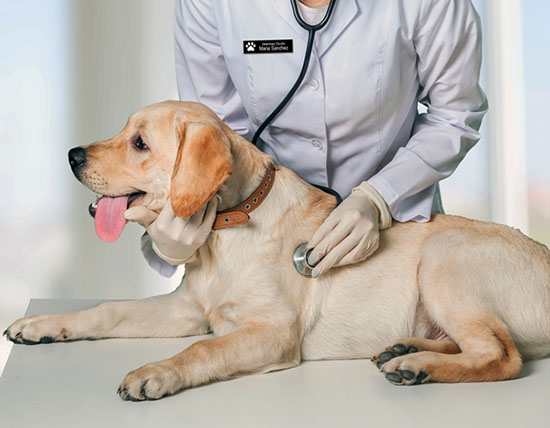
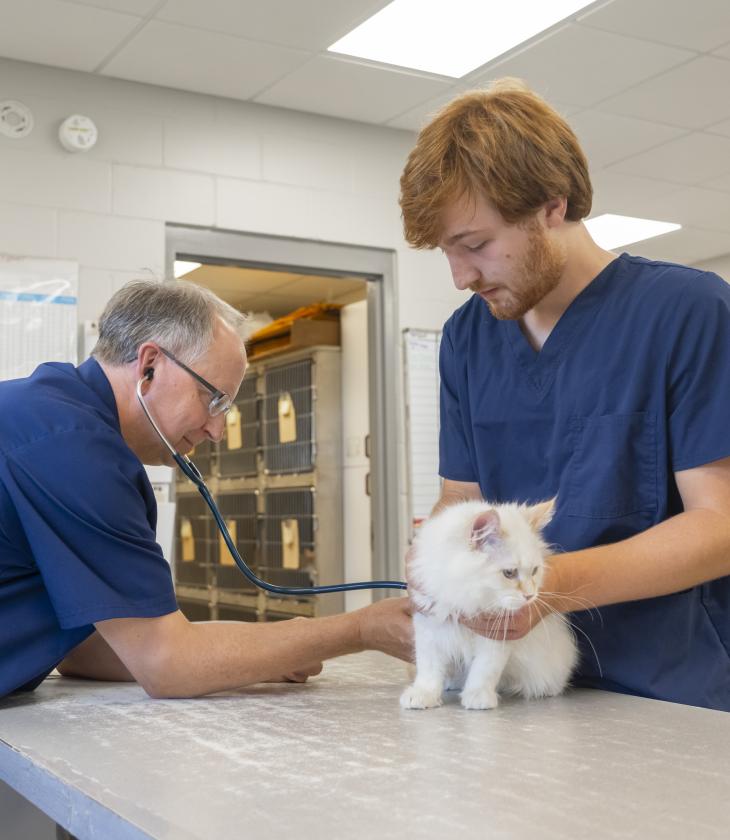
Veterinary oncologists play a necessary duty in the very early discovery of cancer cells in pets, as their specialized training equips them with the skills required to determine refined indicators that might be overlooked by general experts. They utilize a combination of scientific knowledge and advanced diagnostic devices to examine individuals extensively - Veterinary Oncology Services. By acknowledging early signs and danger elements, oncologists can direct animal owners towards prompt interventions, enhancing the chances of effective therapy
Veterinary oncologists typically collaborate with basic professionals to establish screening protocols customized to particular types or age groups, enhancing the performance of early discovery efforts. They educate pet dog owners on the relevance of routine check-ups and recognition of modifications in habits or physical problem. With these aggressive procedures, veterinary oncologists substantially add to improving end results for animals detected with cancer, stressing the important nature of their role in vet medical care.
Advances in Diagnostic Techniques for Animal Cancer
Innovations in diagnostic techniques have significantly improved the capability to discover cancer in animals at earlier stages. Techniques such as advanced imaging, consisting of MRI and CT scans, give thorough inner sights, enabling veterinarians to identify lumps that might not be apparent. Additionally, the development of minimally intrusive treatments, such as fine needle aspirates and biopsies, enables accurate tasting of cells for histopathological examination with decreased stress for the pet.
Arising molecular diagnostics, including hereditary testing and biomarker identification, are changing the landscape of veterinary oncology. These methods can recognize certain cancer kinds and anticipate responses to therapy, assisting in personalized treatment plans. Advancements in research laboratory methods, such as fluid biopsies, are beginning to offer non-invasive alternatives for keeping an eye on growth development and therapy efficiency. Collectively, these technologies stand for a substantial jump forward in veterinary medicine, highlighting the vital function of very early detection in enhancing end results for pets identified with cancer cells.
How Family Pet Owners Can Identify Indication
Just how can pet owners end up being vigilant in acknowledging prospective indication of cancer? Understanding of behavior and physical adjustments in pets is vital. Usual indicators consist of uncommon sleepiness, loss of appetite, or sudden weight modifications. Animal owners must likewise take note of relentless throwing up or looseness of the bowels, which might signal underlying issues.
Changes in the skin, such as lumps, bumps, or sores that do not heal, warrant immediate veterinary attention. Additionally, owners should note changes in drinking practices, boosted peeing, or trouble in breathing. Inexplicable hopping or pain may likewise be signs of more major conditions.
Routine vet examinations can assist identify these caution indications early. By maintaining a close observation of their pets' health and wellness and behavior, proprietors can play an essential function in early detection, potentially leading to far better end results ought to cancer be detected. Identifying these indications may significantly impact a pet dog's high quality of life.
The Impact of Very Early Detection on Therapy Results
Early detection of cancer in pets plays an important function in determining therapy outcomes, as it often permits for a broader variety of therapeutic alternatives. When cancer is diagnosed in its very early stages, veterinarians can implement much less invasive treatments, increasing the possibility of effective treatment. Early-stage cancers cells may also react much better to chemotherapy or radiation, leading to enhanced survival rates and total top quality of life for the pet dog.
Furthermore, punctual diagnosis assists in a more tailored treatment strategy, lining up with the specific demands of the animal. This can consist of individualized medication routines or surgical treatments that are less hostile. On the other hand, late-stage discovery usually leads to limited options, much more hostile treatments, and poorer prognoses. As a result, the significance of early detection can not be overemphasized; it basically alters the trajectory of treatment, making it essential for pet owners to stay cautious for any signs of health problem in their cherished companions.
Often Asked Concerns
How Can Diet Impact Cancer Cells Threat in Family Pets?
Diet plan substantially affects cancer risk in pets, as particular nutrients and food kinds can either inhibit or advertise lump growth. A well balanced, nutrient-rich diet might assist my link minimize the probability of developing cancer cells in pets.
Are Certain Breeds Extra Prone to Cancer cells?
Specific dog types, such as Golden Retrievers and Martials artists, show greater cancer cells sensitivity because of hereditary predispositions. Some feline types likewise reveal enhanced cancer cells risks, highlighting the relevance of breed-specific health and wellness awareness amongst family pet owners.

What Are the Prices Related To Very Early Cancer Discovery?
The costs connected with early cancer cells detection news can differ substantially, encompassing analysis tests, consultations, and possible treatments - Veterinary Cancer Specialist. Investing in these solutions often brings about much better wellness results, ultimately reducing much more comprehensive future medical expenditures
Can Vaccines Protect Against Cancer in Family Pets?

Vaccinations might reduce the risk of certain cancers in animals, especially those linked to viral infections. Nevertheless, their performance differs, and pet owners should seek advice from vets for customized suggestions regarding vaccination and cancer avoidance strategies.
Just How Usually Should Pet Dogs Be Evaluated for Cancer?
Pets need to usually be evaluated for cancer annually, specifically as they age or if they exhibit threat variables. Routine veterinary exams can assist identify possible issues early, improving therapy outcomes and total health and wellness management.
Early discovery of cancer in pet dogs is an essential subject for animal proprietors and veterinary professionals alike. Early indications can be subtle, making it crucial for family pet owners to be watchful of their animals' actions and physical condition. Vet oncologists play a necessary function in the early discovery of cancer cells in animals, as their specialized training equips them with the abilities required to identify refined indicators that might be neglected by basic professionals. By preserving a close monitoring of their pets' wellness and behavior, proprietors can play a crucial function in very early discovery, possibly leading to better results must cancer cells be diagnosed. Early discovery of cancer in pet dogs additional hints plays a vital role in identifying therapy end results, as it often allows for a larger variety of healing options.